


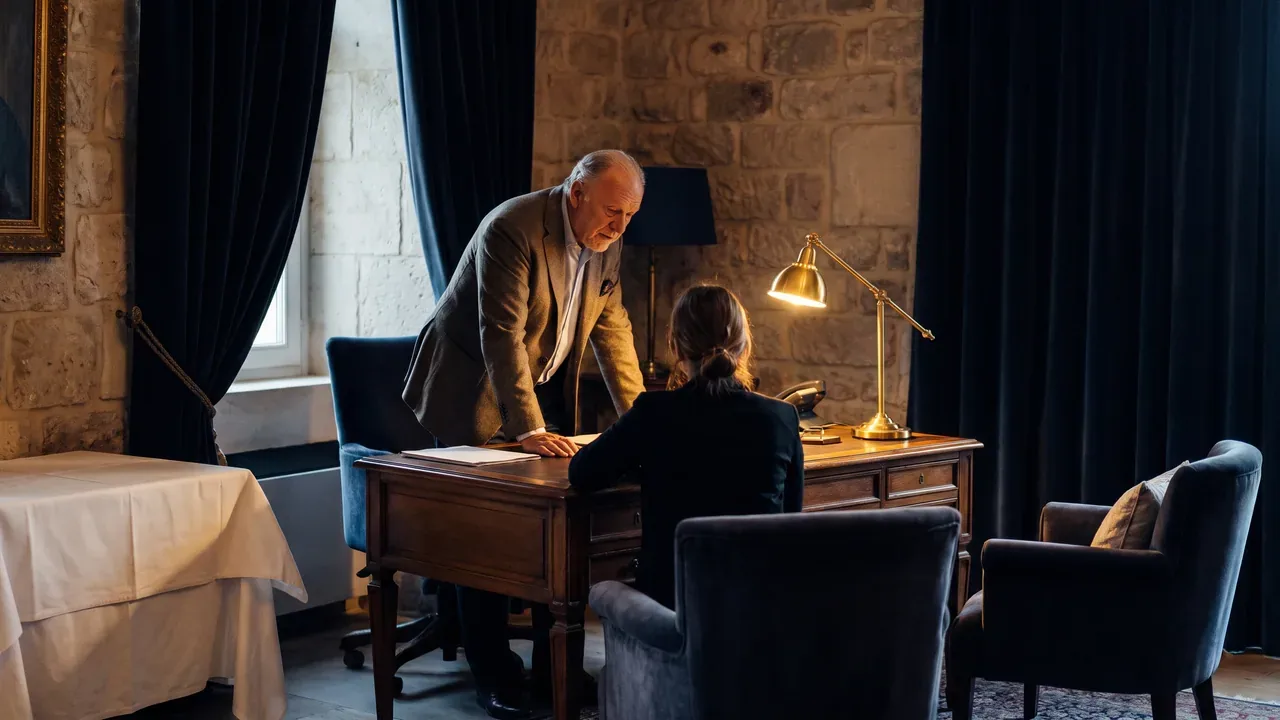
Addressing Language Barriers in Guest Communication
Effective communication is vital for guest satisfaction. Learn practical strategies to overcome language barriers in hospitality.
Understanding Language Barriers
In the hospitality industry, effective communication is crucial for ensuring guest satisfaction. Language barriers can lead to misunderstandings and frustration for both guests and staff. As an owner or manager, recognising the importance of clear communication can significantly enhance the guest experience. This is particularly relevant in Europe, where diverse languages are spoken.
Guests may arrive with varying levels of proficiency in your primary language, leading to situations where requests or concerns may not be conveyed accurately. For example, a guest may arrive late and have trouble explaining their need for a late check-in. Addressing these barriers requires thoughtful strategies.

Implementing Multilingual Support
One practical solution is to implement multilingual support in your communications. This can be achieved through hiring staff who speak multiple languages or utilising technology like AI-driven chatbots. Tools such as website chat for hotels can automatically respond to guests in their preferred language, providing immediate assistance.
Consider a guest reaching out via WhatsApp with a simple request:
"Hi, I’d like to know if you have parking available for my car?"
A well-crafted reply could be:
"Hello! Yes, we do have parking available. It is free for all our guests. If you have any further questions, feel free to ask!"
Utilising Technology for Translation
Incorporating technology to aid in translation can also be beneficial. Language translation apps or devices can assist staff during face-to-face interactions, enhancing the overall guest experience. Such solutions can help clarify details about services, amenities, and local attractions.
For instance, if a guest wants to know about breakfast options but struggles with the language, a staff member can use a translation app to explain the menu. This not only ensures the guest receives accurate information but also shows attentiveness to their needs.
Standardising Common Queries
Creating a standardised set of responses for frequent guest inquiries can help streamline communication. By preparing templates for common situations—such as late arrivals, parking inquiries, or breakfast hours—staff can efficiently address guest needs without delay.
- Prepare quick responses for late check-ins.
- Draft FAQs for common queries about amenities.
- Ensure staff are familiar with these templates.
Using these templates can significantly reduce confusion when language barriers arise, making it easier for staff to provide consistent and accurate information.
Training Staff for Cultural Sensitivity
Training your staff to be culturally sensitive is another essential aspect of overcoming language barriers. Understanding cultural nuances can enhance communication and foster a welcoming environment. Staff should be equipped to recognise and respect different customs and communication styles. This preparation can lead to more positive interactions with guests.
For example, a guest may have a different perspective on personal space or directness in communication. By being aware of these differences, staff can adapt their approach to ensure comfort and clarity.
Encouraging Guest Feedback
Encouraging feedback from guests regarding communication can provide valuable insights. After their stay, you might consider sending a survey that includes questions about their experience with communication. This could highlight areas for improvement and help you adapt your strategies moving forward.
Moreover, if a guest mentions a communication issue in a review, responding proactively demonstrates your commitment to improving service. For example:
"The staff were friendly, but I had difficulty understanding the breakfast options."
Your reply could be:
"Thank you for your feedback. We are looking into providing clearer communication about our breakfast menu in multiple languages. Your insights help us improve our service."
Conclusion
Addressing language barriers in guest communication is not merely about translation; it’s about creating an inclusive and welcoming environment. By utilising tools like WhatsApp for hotels and standardised responses, coupled with staff training, you can enhance communication and ultimately improve guest satisfaction. Implementing these strategies can transform potential misunderstandings into seamless interactions and memorable experiences for your guests.
For more insights on effective guest communication, explore the Concierva Journal.

Building Rapport with Guests through Personalised Communication
Effective communication is key to building rapport with guests. Personalised interactions enhance their experience and foster loyalty.
Read the article →
Streamlining Parking Arrangements for Your Hotel Guests
Efficient parking management enhances guest experience. Learn how to streamline parking arrangements for your hotel guests with practical tips and strategies.
Read the article →
Understanding Commissions on Online Travel Platforms
Explore how commissions from Booking.com, Airbnb, and Expedia affect hotel profitability and the benefits of direct bookings.
Read the article →