


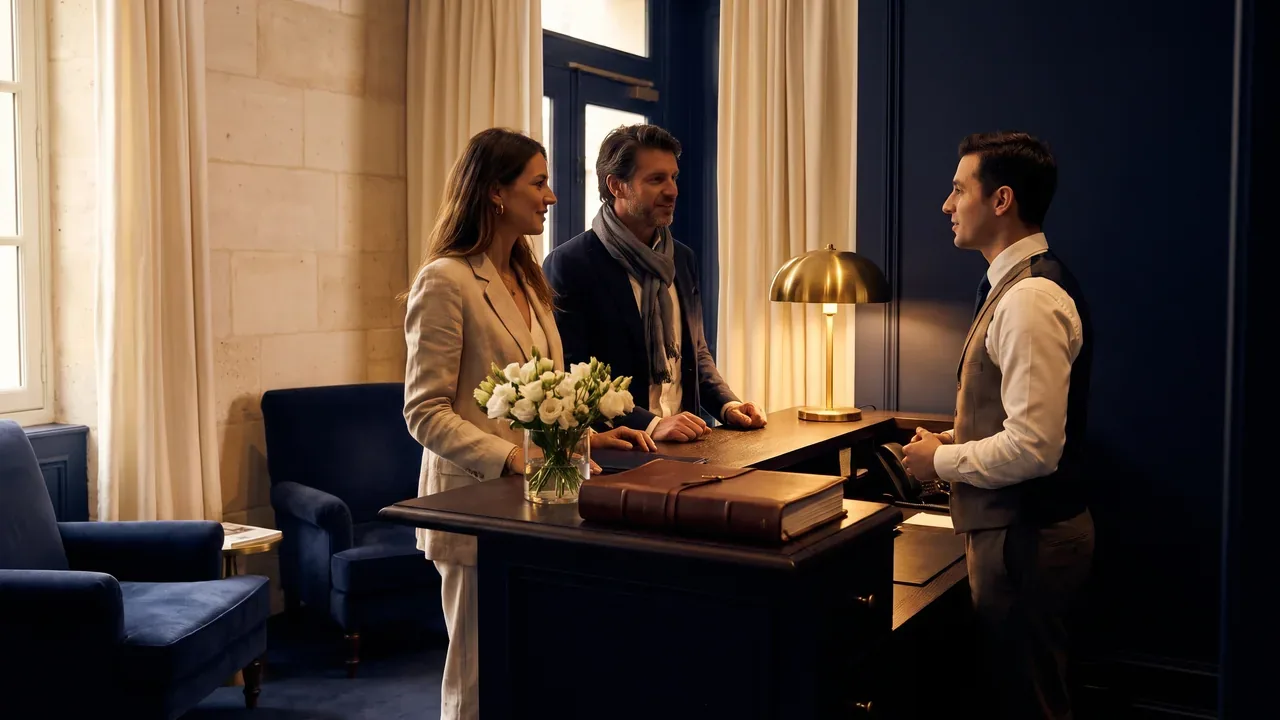
Understanding Commissions on Online Travel Platforms
Explore how commissions from Booking.com, Airbnb, and Expedia affect hotel profitability and the benefits of direct bookings.
The Impact of Commissions on Hotel Revenue
Commissions on platforms like Booking.com, Airbnb, and Expedia can significantly affect a hotel's bottom line. Typically, these platforms charge between 12% to 20% per booking, depending on the agreement and location. For a £150 room, this translates to a commission of £18 to £30, which can add up quickly over time.
For smaller establishments, such as guesthouses and villas, these fees can represent a substantial portion of their revenue. Understanding these costs is crucial for hoteliers aiming to maximise profitability and ensure sustainable operations. It is essential to factor these costs into pricing strategies to maintain competitiveness while still covering expenses.

The Value of Direct Bookings
In light of the commission structure, many hoteliers are focusing on increasing direct bookings through their own websites. Direct bookings typically incur lower costs, often just payment processing fees, which can be as low as 2% to 3%. This shift can significantly improve profitability.
Encouraging direct bookings not only reduces commission costs but also fosters better relationships with guests. When guests book directly, they provide hotels with better access to their data, allowing for personalised experiences and communication. This can lead to higher satisfaction and loyalty.
Guest Communication Scenarios
Effective communication is vital for managing direct bookings. Consider a situation where a guest arrives late and has challenges checking in:
“Hello, I’m arriving later than expected due to a flight delay. Will my room still be available?”
A prompt and reassuring reply can make a significant difference: “Thank you for informing us. Your room will be waiting for you, and we’ll ensure a smooth check-in process regardless of your arrival time.” This level of communication is often easier with direct bookings, as you can streamline the process without relying solely on third-party platforms.
Strategies to Boost Direct Bookings
To effectively increase direct bookings, hoteliers can implement several strategies. Here are some practical suggestions:
- Enhance your website with a user-friendly booking interface.
- Offer incentives such as discounts or complimentary services for guests who book directly.
- Utilise social media and email marketing to promote direct bookings.
- Implement a loyalty programme to encourage repeat visits.
These strategies not only help reduce reliance on third-party platforms but also create a more engaging experience for guests.
Pricing Strategies for Direct Bookings
Establishing competitive pricing is essential for attracting direct bookings. Offer a best-rate guarantee on your website, ensuring guests know they will not find a lower price elsewhere. This can incentivise them to book directly rather than through a third-party site.
Consider flexible pricing options, such as offering discounts for longer stays or last-minute bookings. These approaches can appeal to a broader audience and encourage guests to choose direct bookings, thus improving your hotel's profitability.
Managing Reviews and Guest Feedback
Online reviews play a crucial role in attracting guests. Responding to reviews, whether positive or negative, is an important practice. For example, if a guest leaves a review about their experience with check-in:
“The staff were great, but I had trouble finding parking.”
A thoughtful reply could be: “Thank you for your feedback! We are glad you enjoyed your stay, and we appreciate your comment on parking. We are currently reviewing our signage to improve this experience for future guests.” This shows potential guests that you value feedback and are committed to enhancing their experience.
Integrating Technology for Efficiency
Utilising technology can significantly enhance the management of bookings and guest communication. Modern solutions can help consolidate messages from various platforms into a single inbox, simplifying communication. Options like an unified inbox for every channel can streamline operations, allowing staff to respond to guests quickly and efficiently.
Additionally, an intelligent channel manager can ensure that room availability and rates are synchronised across all platforms, reducing the risk of double bookings and ensuring an optimal guest experience.
For hoteliers looking to enhance their operational efficiency and guest communications, tools such as WhatsApp for hotels and website chat for hotels can be incredibly beneficial.
By focusing on direct bookings and employing strategies to reduce reliance on third-party platforms, hoteliers can improve their profitability and foster better relationships with their guests. Taking steps to enhance communication and operational efficiency will benefit both staff and guests alike. For further insights on enhancing your hotel operations, consider exploring the Concierva Journal.
Addressing Language Barriers in Guest Communication
Effective communication is vital for guest satisfaction. Learn practical strategies to overcome language barriers in hospitality.
Read the article →
Building Rapport with Guests through Personalised Communication
Effective communication is key to building rapport with guests. Personalised interactions enhance their experience and foster loyalty.
Read the article →
Streamlining Parking Arrangements for Your Hotel Guests
Efficient parking management enhances guest experience. Learn how to streamline parking arrangements for your hotel guests with practical tips and strategies.
Read the article →