


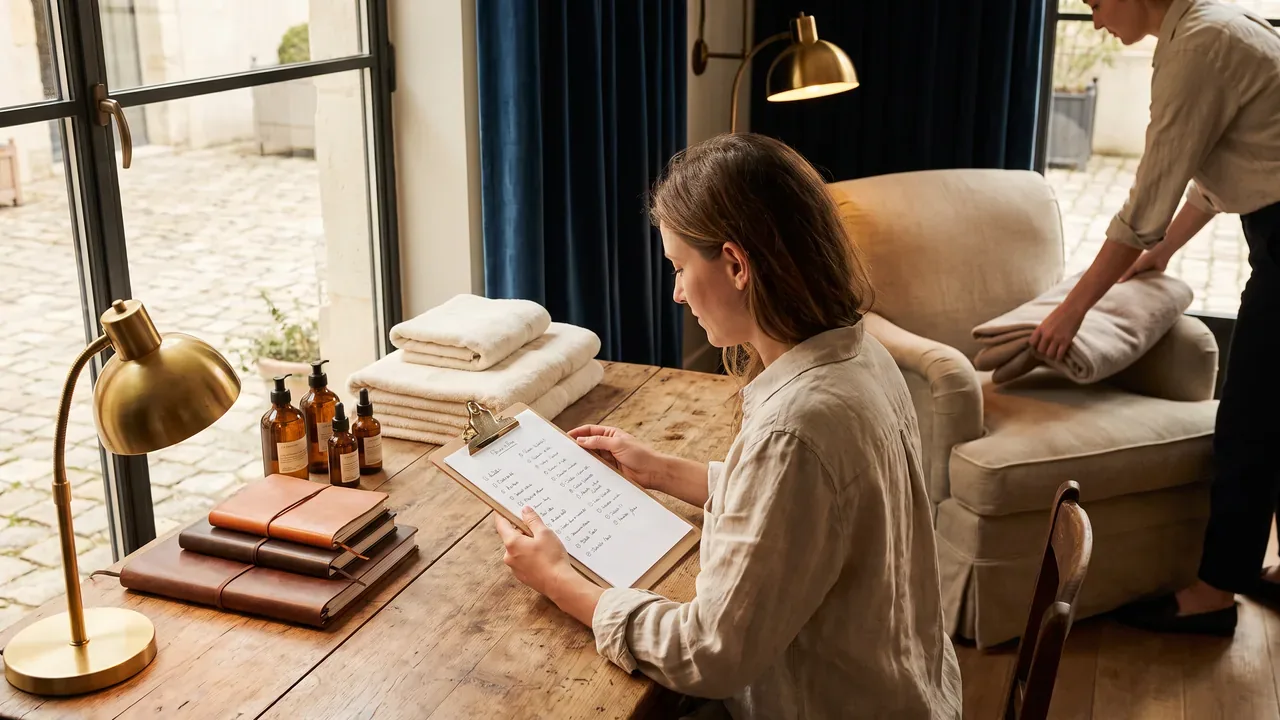
Listing Your Guesthouse on Airbnb and Booking.com: A Setup Checklist
Setting up your guesthouse on Airbnb and Booking.com can increase visibility. Follow this checklist to ensure a smooth setup process and effective management.
Understanding the Benefits of Dual Listings
Listing your guesthouse on both Airbnb and Booking.com can significantly enhance your visibility in the competitive hospitality market. Each platform attracts different demographics, allowing you to reach a broader audience. For example, Airbnb often appeals to travellers seeking unique experiences, while Booking.com is favoured by those looking for hotels or guesthouses with more traditional amenities.
By utilising both platforms, you can also benefit from their respective marketing strengths. Airbnb’s user-friendly interface and community feel can help create a loyal customer base, whereas Booking.com’s extensive reach can bring in last-minute bookings from international travellers.

Essential Setup Checklist
Before you begin listing your guesthouse, it’s crucial to have a clear checklist to ensure a successful setup. Here’s a practical guide to help you through the process:
- Property Details: Prepare a detailed description of your property, including room types, amenities, and unique features.
- High-Quality Photos: Invest in professional photography to showcase your guesthouse attractively.
- Pricing Strategy: Research competitor rates and set competitive prices for your rooms.
- Availability Calendar: Sync your availability across both platforms to avoid double bookings.
- House Rules: Clearly outline your house rules and cancellation policies.
Creating Compelling Listings
Once you have your checklist ready, it’s time to create your listings. Focus on crafting compelling descriptions that highlight what makes your guesthouse unique. Use engaging language, but remain professional. For Airbnb, emphasise local experiences and the charm of your neighbourhood.
For Booking.com, focus on the amenities and services that appeal to business travellers, such as Wi-Fi availability and breakfast options. Both platforms allow you to include guest reviews, so make sure to leverage any positive feedback you have received.
“Hello, we’re arriving late at night. Is it possible to check in after midnight?”
“Thank you for your message. Yes, we can accommodate a late check-in. Please provide your estimated arrival time so we can ensure everything is ready for you.”
Managing Communications Effectively
Once your listings are live, managing communications effectively is paramount. You’ll receive inquiries from both platforms, which can quickly become overwhelming. Consider using an unified inbox solution to manage all messages from a single platform. This ensures you can respond promptly to guests, regardless of where they booked.
Be proactive in your communications. Responding to inquiries within an hour significantly increases the chances of securing a booking. If a guest asks about amenities or local attractions, provide detailed and helpful responses to enhance their interest.
Synchronising Availability and Rates
One of the most challenging aspects of managing dual listings is maintaining accurate availability and pricing. To prevent double bookings and ensure pricing consistency, consider using a channel manager. This tool can automatically sync your availability, rates, and restrictions across both platforms in real-time.
For instance, if a room is booked on Airbnb, the channel manager will immediately update Booking.com to reflect this change, keeping your calendar accurate. This not only saves time but also reduces the risk of errors that can lead to guest dissatisfaction.
Handling Guest Reviews
Guest reviews play a significant role in attracting new bookings. Both Airbnb and Booking.com have their unique review systems, and how you handle these can impact your reputation. When responding to reviews, keep your replies professional and positive, addressing any concerns raised by the guest.
For example, if a guest mentions issues with cleanliness, acknowledge their feedback and mention the steps you’ve taken to improve. This shows potential guests that you value feedback and are committed to maintaining high standards. You can learn more about replying to reviews to effectively manage your online reputation.
Final Considerations for Success
As you embark on your journey of listing your guesthouse on both Airbnb and Booking.com, remember that consistency in branding is key. Ensure that your listings reflect the same tone and style, and that your property’s identity is clear across both platforms.
Regularly review and update your listings based on guest feedback and seasonal trends. This will help keep your property relevant and appealing to potential guests. Furthermore, integrating tools like an AI voice receptionist or website chat for hotels can further streamline your communication processes.
By following this checklist and implementing best practices, you will be better positioned to attract guests and manage your guesthouse efficiently. For more insights into optimising your guesthouse operations, visit Concierva.

Understanding Guests' Expectations for Check-In Procedures
Effective check-in procedures are key to guest satisfaction. Explore how to meet expectations and streamline the process for a seamless experience.
Read the article →
The Importance of Clear Communication During Peak Seasons
Effective communication is crucial in hospitality during peak seasons. Here’s how to ensure clarity and efficiency across all guest interactions.
Read the article →
Efficiently Closing Rooms for Maintenance Across Channels
Learn how to efficiently close rooms for maintenance across multiple booking channels, ensuring your hotel operations remain seamless and organised.
Read the article →