


Understanding Airbnb Pricing for Small Hotels
Explore effective pricing strategies for small hotels on Airbnb, including weeknights, weekends, and length-of-stay discounts.
Introduction to Airbnb Pricing Strategies
Setting the right price on Airbnb is crucial for small hotels aiming to maximise occupancy and revenue. The platform's dynamic pricing model requires an understanding of peak and off-peak periods, which can vary significantly based on location. For hotel owners and managers, it is essential to consider various factors, such as weeknight versus weekend pricing, to optimise bookings.
Small hotels often face unique challenges when pricing their rooms on Airbnb. Unlike larger chains, they must compete not only with each other but also with a plethora of vacation rentals. Therefore, having a clear strategy is vital for attracting guests while ensuring profitability.

Weeknight Pricing Considerations
Weeknights typically see lower demand compared to weekends. For many small hotels, this is an opportunity to adjust prices to encourage bookings during these quieter periods. Offering discounts on weeknight stays can help fill rooms that might otherwise remain empty.
For instance, if a hotel usually charges £100 per night on weekends, it might consider a rate of £75 for Monday to Thursday nights. This approach not only attracts guests looking for budget-friendly options but also enhances occupancy rates throughout the week.
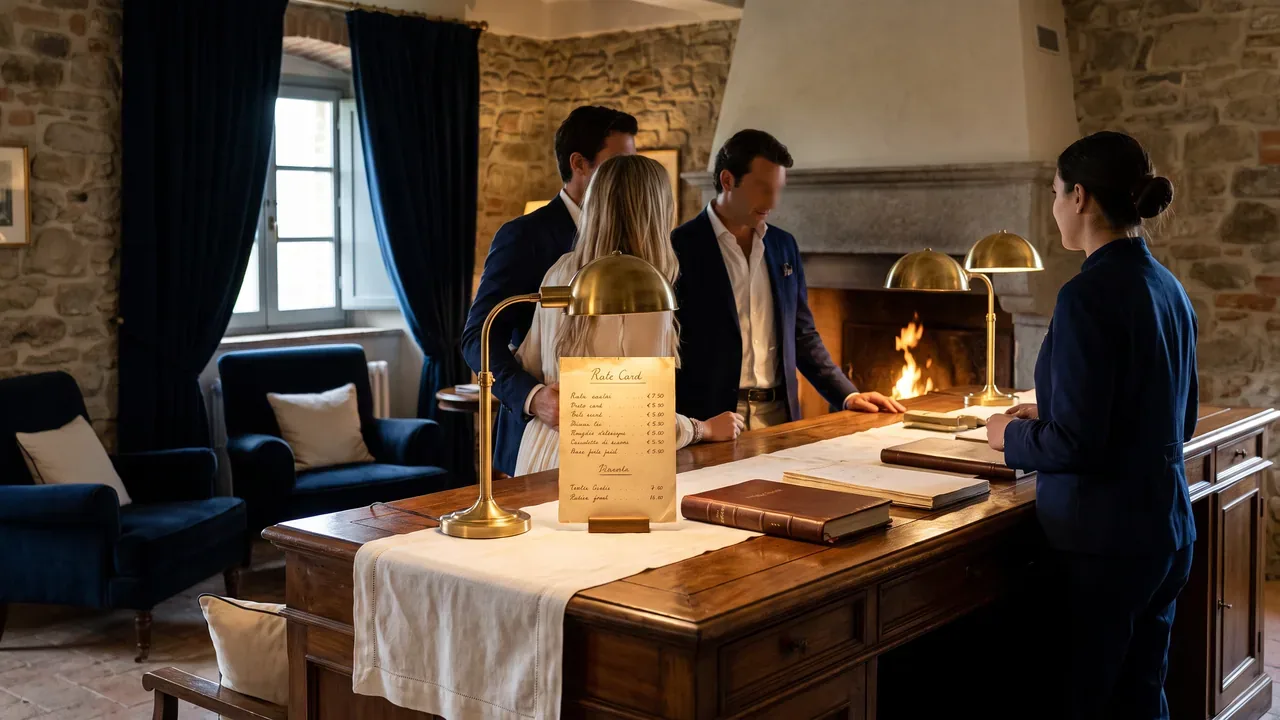
“We are considering a stay from Monday to Wednesday. Is there a discount for the weeknight rates?”
In response, a hotel might reply: “Yes, we offer a special rate of £75 per night for weeknight stays. We would be pleased to accommodate you.”
Weekend Pricing Dynamics
Weekends are generally the peak times for small hotels, with higher demand for leisure travel. Pricing strategies for weekends should reflect this increased demand. Hotels can maintain or slightly increase their weekend rates but should also consider implementing minimum stay requirements to maximise revenue.
Many guests are willing to pay a premium for weekend stays, especially if they are planning a short getaway. Implementing a two-night minimum stay policy during weekends can further enhance occupancy and revenue. For example, if a hotel charges £120 on Friday and Saturday nights, implementing a minimum stay of two nights ensures that they capture the full potential of weekend bookings.
Length-of-Stay Discounts
Offering length-of-stay discounts is an effective way to encourage longer bookings, which can help stabilise occupancy rates. For example, a hotel could offer a 10% discount on stays of three nights or more. This strategy not only benefits guests but also provides hotels with a more predictable income stream.
Length-of-stay discounts can be particularly appealing during off-peak seasons. For instance, a hotel charging £100 per night might offer a discounted rate of £90 per night for guests staying three nights or longer. This discount can make the property more attractive compared to other listings without compromising overall revenue.
Implementing a Pricing Strategy
To effectively implement a pricing strategy, small hotels should consider using a channel manager to keep rates, availability, and bookings synchronised across platforms like Airbnb. This ensures that the pricing strategy is consistently applied, regardless of where the booking originates.
- Monitor competitors’ pricing regularly.
- Adjust rates based on local events and holidays.
- Offer special packages or promotions during low-demand periods.
- Utilise data analytics to predict trends in guest behaviour.
By following a structured approach, hotel managers can ensure they are not only competitive but also maximising their revenue potential across various booking channels.
Communicating Pricing to Guests
Transparent communication about pricing can enhance guest satisfaction and reduce inquiries. When promoting the property on Airbnb, clearly outline pricing structures, including discounts for weeknight stays and length-of-stay offers. This practice sets clear expectations and can encourage bookings.
For instance, providing potential guests with detailed information on pricing in the property description can help them understand the value of longer stays. This can also reduce the number of inquiries related to pricing, allowing staff to focus on other aspects of guest service.
Responding to Guest Inquiries
Timely and informative responses to guest inquiries regarding pricing can significantly impact booking decisions. If guests ask about discounts, as illustrated earlier, prompt replies can help secure bookings. Here is an example:
“Do you offer any deals for longer stays?”
A well-crafted reply could be: “Yes, we offer a 10% discount for stays of three nights or more. We would love to welcome you for your extended stay.”
Conclusion and Practical Application
In summary, understanding the nuances of pricing on platforms like Airbnb is essential for small hotels. By implementing a clear strategy for weeknights, weekends, and length-of-stay discounts, hotel managers can optimise their offerings to attract more guests. Establishing effective communication about pricing and being responsive to inquiries will further enhance the guest experience. Small changes in pricing strategy can lead to increased bookings and improved revenue. Consider evaluating your current pricing model and see how adjustments can be made to enhance your competitive edge.
To explore more practical solutions for managing your hotel’s bookings and communications, visit Concierva.
Creating an Efficient Workflow for Front Desk Operations
An efficient workflow at the front desk is essential for guest satisfaction. Discover practical strategies that streamline operations and enhance service delivery.
Read the article →
Responding to Airbnb Guests Requesting Off-Platform Payments
Handling requests for off-platform payments from Airbnb guests can be tricky. Here’s how to respond appropriately while protecting your interests.
Read the article →
Airbnb House Rules and Check-in Instructions Guests Read
Discover effective ways to communicate house rules and check-in instructions that your Airbnb guests will actually read and follow.
Read the article →